
21 / Robocall Blog
The daily signal log.
A fresh, AI-researched post every day on robocalls, dialer tech, and TCPA rights — written by the AntiSpamLogic research desk.


VoIP and the Origins of Modern Robocalling: How the Internet Changed the Game
Discover how Voice over Internet Protocol (VoIP) transformed robocalling from a niche nuisance into a global, low-cost epidemic.

State Mini-TCPAs and the National DNC: Navigating Your Dual-Layer Protection
Think the National Do Not Call Registry is your only shield? Discover how state 'mini-TCPA' laws provide stronger, localized defenses against robocalls.
The September Crackdown: FCC Removes 14 Providers from the RMDB
The FCC has intensified its enforcement, removing 14 non-compliant providers from the Robocall Mitigation Database to block illegal traffic.
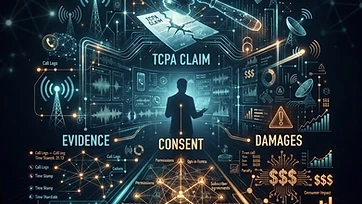
Building Your TCPA Case: A Practical Guide to Evidence, Consent, and Damages
Learn how to systematically document robocall violations, challenge invalid consent claims, and calculate potential statutory damages under the TCPA.
Beyond the Noise: A Strategic Guide to Filing FCC Robocall Complaints
Learn how to effectively report illegal robocalls to the FCC to help trigger enforcement actions and build a stronger foundation for your TCPA claims.
Defending Against the Surge: IRS Impersonation Robocalls in 2026
As AI-powered IRS impersonation scams surge by 400%, here is how to identify these fraudulent robocalls and protect your legal rights under the TCPA.

Student Loan Robocalls: Your Rights and Recent Legal Victories
Student loan servicers are facing increased scrutiny for illegal robocalls, with recent multi-million dollar settlements highlighting the importance of TCPA protections.

The Auto Warranty Robocall Scourge: Still Ringing, Still Illegal
While federal crackdowns have drastically reduced the volume of auto warranty robocalls since their peak, these deceptive scams persist in 2026.


The Digital Mask: How to Spot Tech Support and Impersonation Robocall Scams
As robocall volume surges, scammers are increasingly using AI and impersonation tactics to steal your data and money. Here is how to identify these threats and protect your rights.


Political Robocalls: Navigating Campaign Rules and Your Rights in 2026
As election season heats up, understanding the legal boundaries of political outreach is essential for protecting your privacy against unwanted robocalls.


Medicare and Health Insurance Robocall Scams: What You Need to Know
Health insurance robocalls are a persistent threat to consumers, but understanding your rights under the TCPA can help you fight back and potentially secure compensation.

Debt Collection Robocalls: Your Rights Under the FDCPA and TCPA
Are you being harassed by automated debt collection calls? Learn how the FDCPA and TCPA protect you from illegal robocalls and how to hold collectors accountable.

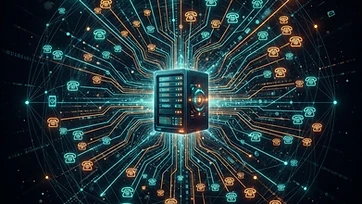
Predictive Dialers: How Automated Tech Fuels the Robocall Epidemic
Predictive dialers maximize agent talk time by automating outbound calls, but this efficiency often comes at the cost of consumer privacy and strict regulatory compliance.

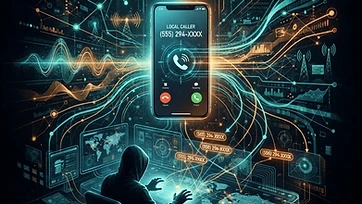
Neighbor Spoofing: How Scammers Hijack Local Trust to Bypass Your Defenses
Neighbor spoofing is a deceptive tactic where scammers manipulate caller ID to display local numbers, tricking you into answering. Learn how this technology works and what you can do to protect yourself.

TCPA Litigation Update: FCC Rule Changes and Recent Class Action Developments
As of September 2026, the legal landscape for TCPA compliance is shifting with new FCC clarifications and significant court rulings impacting class action viability.

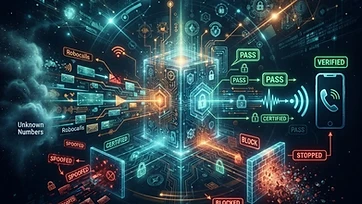
Beyond the Beep: Why STIR/SHAKEN Isn't the Silver Bullet for Robocalls
While STIR/SHAKEN has become the industry standard for call authentication, recent data shows that scammers are finding ways to exploit the system, leaving consumers to rely on a mix of technology and legal vigilance.

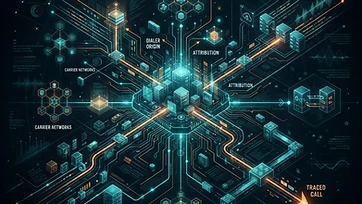
Tracing a Robocall: Understanding Carrier and Dialer Attribution
Ever wonder how a robocall is tracked back to its source? We break down the traceback process, the role of the Industry Traceback Group, and how carrier accountability is reshaping the legal landscape.


Deepfake Robocalls in 2026: The TCPA and AI Voice Cloning
AI voice bots and deepfake audio are bombarding consumer phones, but federal law classifies synthetic speech as an artificial voice subject to statutory penalties of up to $1,500 per call.

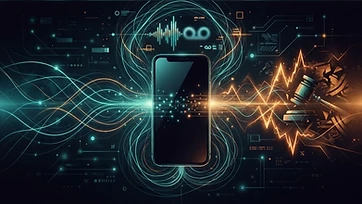
Ringless Voicemail and the TCPA Gray Area: Is It Truly Over?
Telemarketers long claimed that direct-to-voicemail drops were immune to TCPA restrictions, but regulatory and judicial crackdowns have effectively eliminated that loophole.


Consent and Revocation Under the TCPA: What You Need to Know
Under the Telephone Consumer Protection Act, granting consent to receive automated calls or texts is never an irreversible commitment. Learn how callers violate federal law when they fail to honor your reasonable opt-out demands.


Packet Switching to Profit: How VoIP Built the Modern Robocall
Modern robocalling didn't explode by accident; it was catalyzed by the evolution of Voice over IP. Here is how packet-switched calling transformed illegal telemarketing and rewrote TCPA litigation.


State 'Mini-TCPAs' vs. the National DNC Registry: The New Legal Battlefield
While millions of Americans rely on the FTC's National Do Not Call Registry, states are reshaping robocall litigation through aggressive mini-TCPA statutes. Here is how dual federal-state frameworks impact telemarketer liability and consumer legal claims.

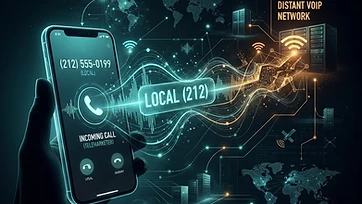
Neighbor Spoofing: Why That Local Number Is Fake and How to Trace It
Learn how robocallers weaponize neighbor spoofing to mimic local numbers, the legal statutes governing illegal caller ID manipulation, and how consumers can trace real violators.

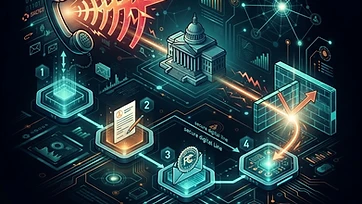
How to File an FCC Robocall Complaint: Step-by-Step Guide
Learn how to report unlawful robocalls directly to the FCC to fuel federal enforcement and strengthen your private TCPA legal claims.

Predictive Dialers and the TCPA: What Makes a System an Autodialer?
Discover how predictive dialers fit into the TCPA's autodialer rules after Facebook v. Duguid and learn how consumers can build actionable claims.

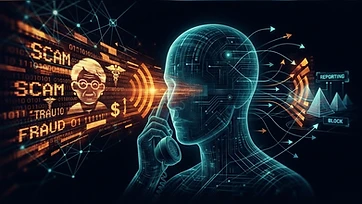
Medicare Robocall Scams: How They Work and How to Report Them
Unsolicited Medicare robocalls violate federal law and target seniors daily. Learn how these scams operate, where to report them, and how to hold violators accountable under the TCPA.

How to Stop Debt Collection Robocalls Under the FDCPA and TCPA
Learn how federal protections under the FDCPA and TCPA work together to halt relentless debt collection robocalls and secure statutory damages.

FCC Shuts Down Gateway Carriers in Widening Robocall Crackdown
The FCC has severed 14 more rogue voice providers from U.S. telephone networks while proposing aggressive new carrier scorecard and verification rules. Here is how these aggressive regulatory actions bolster private consumer TCPA claims.

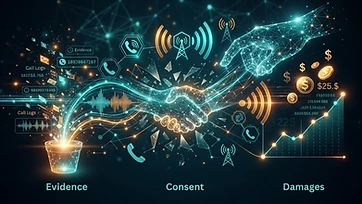
Building a Winning TCPA Claim: Evidence, Consent, and Damages
Learn how to turn persistent robocalls into an actionable legal claim by mastering evidence preservation, debunking fake consent, and calculating statutory damages under the TCPA.


How to File an FCC Robocall Complaint and Build Your TCPA Claim
Learn how to file an informal FCC complaint against unlawful robocallers and use your evidence to prepare statutory TCPA claims.


IRS Impersonation Robocalls: Spotting Scams and Pursuing TCPA Liability
Imposters posing as IRS and government agents use illegal robocallers and spoofing to defraud consumers. Here is how these operations work and how civil remedies under the TCPA apply.


Student Loan Robocall Scams: Anatomy, Tech, and TCPA Rights
Student loan forgiveness robocalls exploit policy confusion and violate federal telecommunications law. Here is how these scams operate and how borrowers can build actionable TCPA claims.

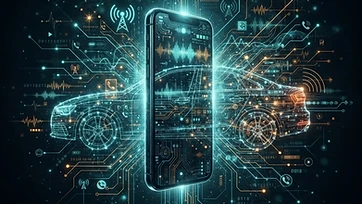
Hunting Auto Warranty Robocalls: Dialer Tech and TCPA Claims
Despite massive regulatory crackdowns, auto warranty robocalls continue targeting consumers through illicit VoIP routes and spoofed caller IDs. Here is how litigators and consumers can trace these operations and build statutory claims under the TCPA.

Tech Support Impersonation Scams: How to Spot and Stop These Robocall Threats
Tech support impersonation scams use fear and fake urgency to gain remote access to your devices, but understanding the tactics behind these robocalls can help you protect your data and finances.

Political Robocalls in 2026: Navigating Campaign Rules and Your TCPA Rights
As the 2026 election cycle intensifies, political campaigns are flooding phones with robocalls and texts. Learn how the TCPA and recent FCC rulings on AI protect you from unwanted solicitation.

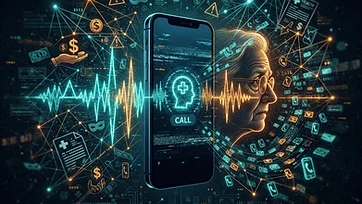
Medicare Robocall Scams: How to Protect Your Identity and Your Wallet
Medicare and health insurance robocalls are surging in 2026, often using deceptive tactics to steal sensitive personal information. Learn how to identify these scams and protect your rights under the TCPA.

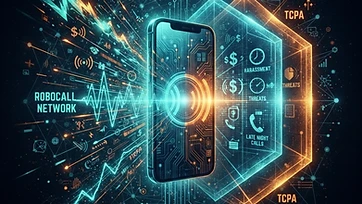
Debt Collection Robocalls: Your Rights Under the FDCPA and TCPA
Are debt collectors harassing you with automated calls? Learn how the FDCPA and TCPA protect you from abusive practices and how to hold violators accountable.


Predictive Dialers: The Engine Behind Illegal Robocalls
Predictive dialers use complex algorithms to maximize call volume, but their aggressive nature often leads to violations of the Telephone Consumer Protection Act (TCPA).

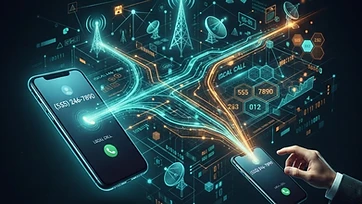
Neighbor Spoofing: How Scammers Hijack Local Numbers to Trick You
Neighbor spoofing is a deceptive tactic where scammers manipulate caller ID to display local numbers, tricking you into answering. Learn how this works and how to protect yourself.

STIR/SHAKEN: Why Your Phone Still Rings with Spam
While STIR/SHAKEN is a powerful tool for verifying caller identity, it is not a silver bullet for ending robocalls. Learn how this technology works and what legal protections actually stop the harassment.


AI Deepfakes and the Law: Your Rights Against Synthetic Robocalls
As AI voice cloning technology advances, federal and state laws have evolved to classify synthetic voices as 'artificial' under the TCPA. Learn how to identify illegal AI calls and hold violators accountable for up to $1,500 per violation.

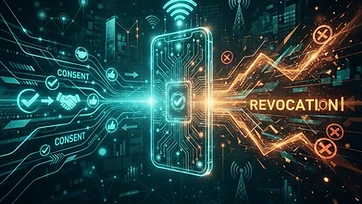
TCPA Consent Revocation: What You Need to Know in 2026
Understanding your rights to stop unwanted robocalls and texts is critical, especially as the FCC updates its rules on how companies must honor your revocation requests.


Beyond the DNC: How State "Mini-TCPA" Laws Are Redefining Robocall Protection
While the National Do Not Call Registry is your first line of defense, a surge in state-level legislation is providing the real teeth needed to bite back against illegal telemarketers.


FCC Intensifies Robocall Crackdown: July 2026 Enforcement Update
The FCC continues its aggressive campaign against illegal robocallers, issuing a wave of new penalties and targeting the infrastructure that facilitates scam traffic.